After a Collision in the San Jacinto Valley: Who Repairs Your Car, and What Happens Next
You choose the shop. Not your insurance company. Under California Insurance Code section 758.5, no insurer may require that your vehicle be repaired at a specific automotive repair dealer, and you're entitled to select the body shop yourself. Most drivers in Valle Vista, Homeland and around Hemet find that out after the decision's already been made for them.
That single fact changes the first phone call you make. Everything below is what happens after it.
Who Actually Decides Where Your Car Gets Repaired?
You do. California law is unusually direct about this.
Section 758.5 of the Insurance Code says no insurer shall require that an automobile be repaired at a specific automotive repair dealer. An insurer is allowed to suggest or recommend a shop, but only in two situations: when you've expressly asked for a referral, or when you've first been told in writing that the choice is yours. That's the whole rule, and it's shorter than most people expect.
There's a second half worth knowing. If you do accept the insurer's recommendation, the insurer has to cause the vehicle to be restored to its condition before the loss, at no additional cost to you beyond what the policy states or what the law otherwise allows.
None of that means a recommended shop is a bad shop. Plenty are excellent. It means the choice is yours to make on purpose rather than by default, and that a sentence like "you have to take it to our shop" isn't accurate.
This is a summary of a state law rather than legal advice, and it was current as of August 2026. The California Department of Insurance is the authority if you'd like to confirm your own position.
What Should You Do in the First Hour?
Six things, roughly in order. None of them involve deciding on a repair, and that's deliberate.
- Get everyone out of traffic if the vehicles can move. Highway 74 and Florida Avenue aren't places to stand next to a damaged car.
- Call it in. Injuries, blocked lanes or a driver without insurance all mean you'll want a report.
- Photograph more than you think you need. All four corners of both vehicles, the license plates, the wider scene showing lane position, and any debris on the road.
- Exchange information, not opinions. Names, insurance details, plate numbers. Not fault.
- Get names of any witnesses. Ten minutes later they're gone permanently.
- Open the claim. Then, and only then, decide where the car goes.
The one thing people regret skipping is the photographs. There's no substitute for them afterwards. A repair estimate written three days later from a damaged car in a parking lot can't show which direction the impact came from.
What Happens Once the Car Is at the Shop?
More steps than most people expect, and they don't overlap much.
It starts with an estimate written from what's visible. Then the technicians take the damaged area apart, which is when the real picture shows up. That's usually the first surprise. Structural work comes before cosmetic work, so anything bent gets pulled back to specification before a single panel is replaced. Parts get ordered against what the teardown found. Then panel work, then refinishing, then reassembly, then calibration of anything the impact disturbed, then a quality check.
That calibration step is newer than most drivers realize, and it's the one that gets skipped. Cameras and radar sensors behind bumpers and windshields have to be re-aimed to the manufacturer's specification after a repair, or the driver-assist features that depend on them won't behave the way they should. A car that looks perfect and hasn't been recalibrated isn't a finished repair.
Why Does the Repair Take Longer Than the First Estimate Said?
Because of supplements, and they're the single biggest source of frustration in the whole process.
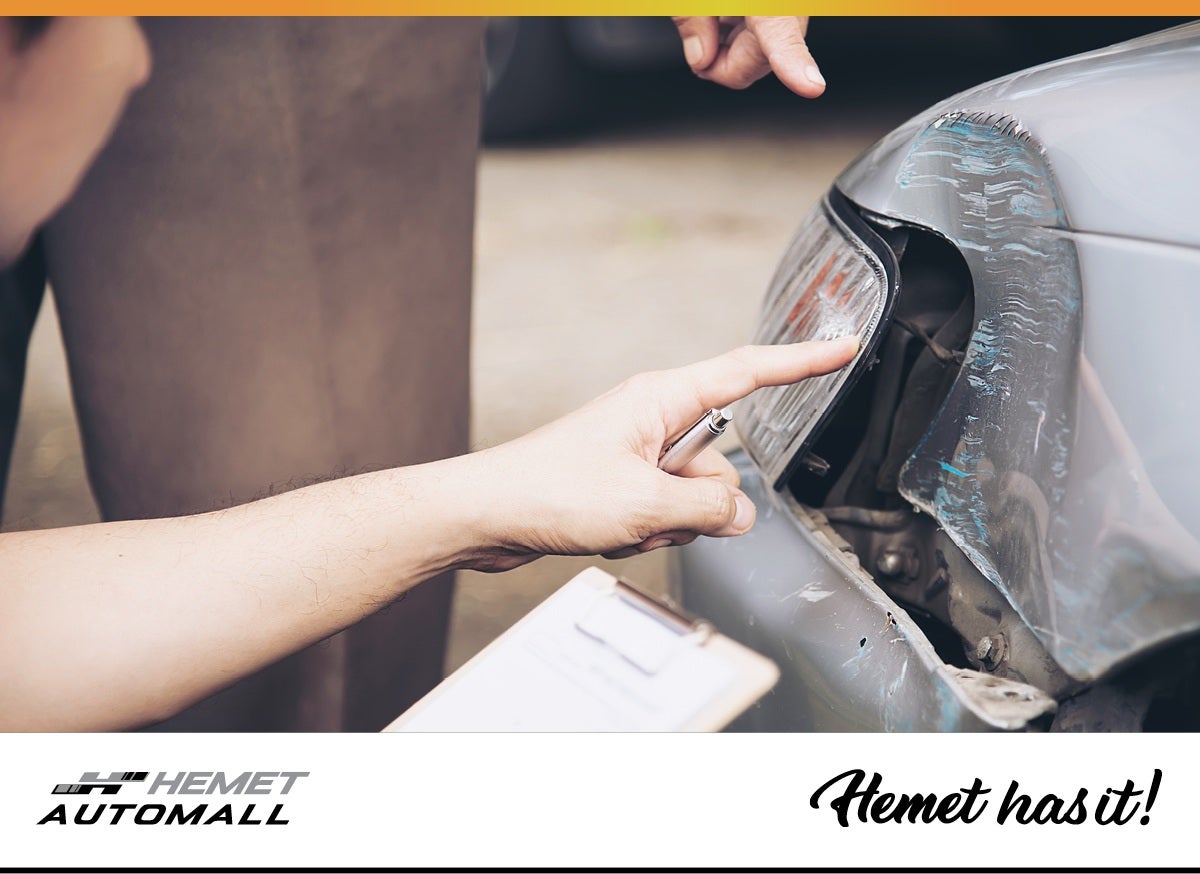
The first estimate is written from the outside. Once the car comes apart, the shop routinely finds damage that wasn't visible: a bent bracket behind a bumper cover, a cracked mount, a sensor that took the impact through the panel. Each of those goes back to the insurer as a supplement, and each supplement has to be reviewed and approved before the work and the parts for it can go ahead. Nothing moves until that's done.
That's the delay. It isn't the shop being slow. It's a conversation between the shop and the insurer happening while your car sits partly disassembled, and it's normal.
What you can do about it is small but real: ask early whether a supplement has been submitted and whether it's been approved. Knowing which of those two you're waiting on tells you far more than a general "when will it be ready."
Does It Matter Which Brand You Drive?
For the calibration and the structural specifications, yes.
Every manufacturer publishes its own repair procedures, its own sectioning rules for structural components, and its own calibration requirements for driver-assist sensors. Those aren't interchangeable between brands, which is why brand-specific knowledge matters more on a collision repair than it does on an oil change. It's not a small distinction.
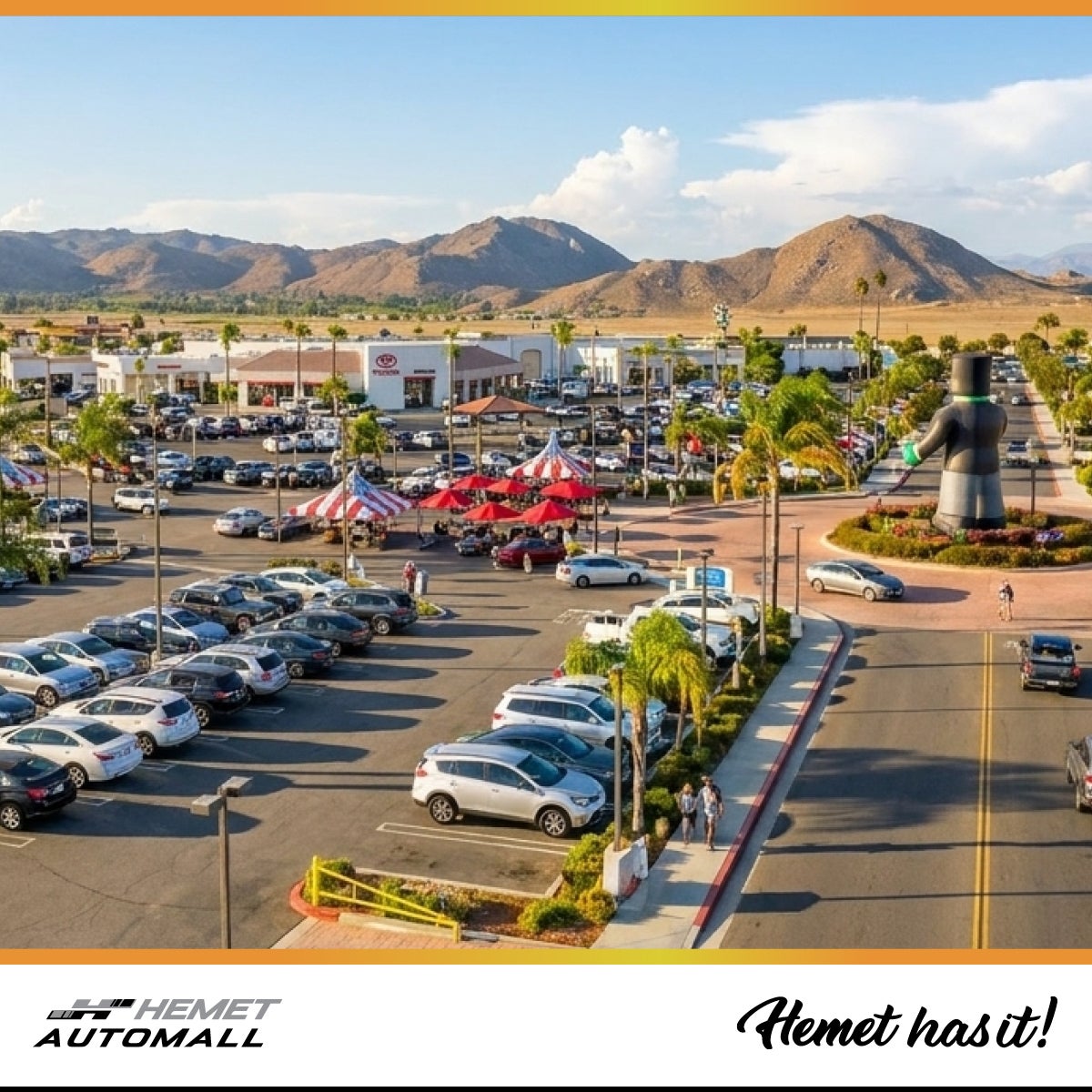
The collision center at Hemet Auto Mall works on all ten brands sold here, which for a two-car household usually means one shop rather than two. That's also why collision capability is worth locating before you need it: body work is far less common than a service bay, so it's the repair where people end up driving furthest at the worst possible moment.
If the vehicle turns out to be beyond repairing, that's a different conversation. The pre-owned inventory and the new inventory are both reasonable places to start it, and there's no pressure to start it today. If you'd rather not replace it at all, an appraisal tells you where you stand before you commit either way.
Frequently Asked Questions
Can my insurance company make me use their body shop in California?
No. California Insurance Code section 758.5 states that no insurer shall require that an automobile be repaired at a specific automotive repair dealer, and you're entitled to select the shop. An insurer may recommend one only if you asked for a referral or were first told in writing that the choice is yours.
What should I do first after a car accident?
Move out of traffic if the vehicles are drivable, call it in if there are injuries or blocked lanes, photograph all four corners of both vehicles plus the wider scene, exchange insurance and contact information without discussing fault, collect witness names, and open the claim. Choose the repair shop after that, not during.
Why did my collision repair take longer than the estimate said?
Almost always because of a supplement. The first estimate is written from visible damage. Once the vehicle is disassembled, hidden damage often turns up, and each addition has to go to the insurer and be approved before work and parts can continue. Ask whether a supplement has been submitted and whether it's been approved.
Do driver-assist sensors need recalibration after a collision?
Frequently, yes. Cameras and radar units mounted behind bumpers and windshields have to be re-aimed to the manufacturer's specification after related repairs. Skipping it can leave the vehicle looking finished while the systems that rely on those sensors don't behave correctly.
Can the collision center work on a vehicle I bought somewhere else?
Yes. It handles all ten brands sold at Hemet Auto Mall regardless of where the vehicle was purchased, which is useful for a household running two different makes.
The Short Version
- You choose the repair shop. California Insurance Code section 758.5 says no insurer may require a specific one, and you're entitled to select it yourself.
- An insurer can recommend a shop only after you've asked for a referral or been told in writing that the choice is yours.
- Photograph everything at the scene. Nothing you do later replaces it.
- Supplements cause most delays. Ask whether one has been submitted and whether it's been approved.
- Sensor recalibration is part of a finished repair, it isn't an optional extra, and the specification is brand-specific.
The collision center at Hemet Auto Mall serves Valle Vista, Homeland and the wider San Jacinto Valley, and works on every brand sold on site. Each dealership has its own direct line on the locations page, and routine work is handled through the service departments.