
Dominate Financing & Trade-Ins at Hemet Auto Mall

How to Finance & Trade-In at Hemet
Auto Mall (Without the Stress)
Walking into a dealership without a plan can feel overwhelming—especially when you're juggling financing questions and wondering what your current vehicle might be worth. For Riverside County drivers from Hemet to Temecula, the uncertainty is often the hardest part. You're not just buying a car; you're navigating paperwork, lender conversations, and decisions that affect your budget for years.
This guide breaks down what actually happens when you finance or trade in at a multi-brand auto mall. No jargon, no pressure—just the information you need to feel prepared before you ever set foot on the lot.

Who Should Read This Before Visiting
Not everyone walks into a dealership with the same situation, and that's actually the point. Here's who this information helps most.
If you're financing for the first time, you're probably wondering what lenders look at and what documents you'll need. The process feels mysterious until someone explains it plainly. If you have a vehicle to trade in, you want to know how the appraisal works and whether it makes sense to put that equity toward your next purchase. If you're doing both, you're looking for efficiency—handling everything in one location instead of bouncing between appointments.
Drivers from San Jacinto, Menifee, Murrieta, and Perris regularly come to Hemet because a multi-brand auto mall simplifies the experience. You're not locked into one manufacturer's inventory or one set of options. That flexibility matters when you're trying to find the right fit for your situation.
Why Financing at a Multi-Brand Auto Mall Works Differently
Here's the thing about single-brand dealerships: if the vehicle you want doesn't quite fit your budget or your lender situation, you're stuck. At a multi-brand auto mall, you have options.
Trim Level
- Undecided between sedan or SUV
- Need to stay within a specific budget range
- Trading in a different brand
- Want to explore financing with different vehicles
- Not sure what's realistic for your situation
How a Multi-Brand Mall Helps
- Compare across brands without driving across town
- More inventory means more vehicles that might work
- No awkward "we don't really want this" conversations
- One credit application works across the lot
- Finance specialists see your full range of options
The consistency matters too. Whether you're looking at a compact car or a full-size truck, the financing process stays the same. You're not learning a new system at every building. If you want to start exploring what's available before your visit, browsing new inventory online helps you narrow down which vehicles are worth test driving.
What Actually Happens During the Financing Process
Let's demystify this. Financing at a dealership follows a straightforward sequence, and knowing what to expect removes most of the anxiety.find the right fit for your situation.
Step one: You complete an application. This includes basic information about your employment, income, and residence history. Nothing unusual—the same information any lender would ask for.
Step two: The finance team submits your information to lenders. At an auto mall with established lender relationships, your application goes to multiple sources simultaneously. This isn't about finding you the "perfect" rate—it's about finding options that work for your circumstances.
Step three: You review what's available. A finance specialist walks through the responses, explains what each option involves, and answers questions. No one can guarantee approval or specific terms—every situation is different based on your individual credit profile and history.
The documents that help things move faster:
- Valid driver's license
- Proof of income (recent pay stubs or tax documents)
- Proof of residence (utility bill or bank statement)
- Insurance information
- References (some lenders request these)

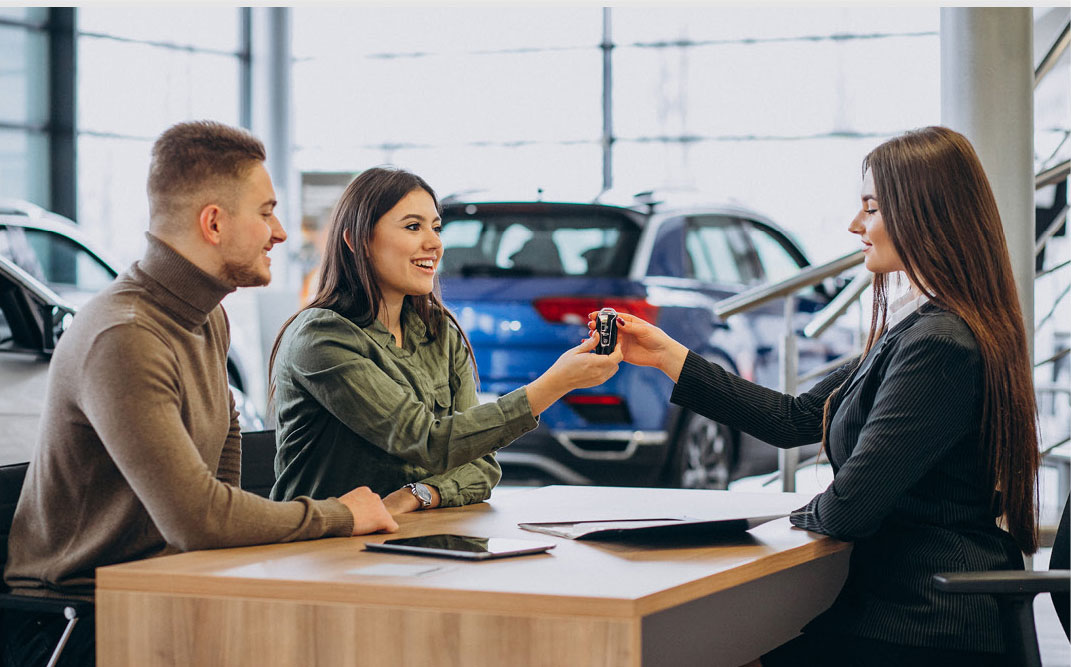
The consistency matters too. Whether you're looking at a compact car or a full-size truck, the financing process stays the same. You're not learning a new system at every building. If you want to start exploring what's available before your visit, browsing new inventory online helps you narrow down which vehicles are worth test driving.
How to Prepare Your Trade-In (The Practical Stuff)
Your trade-in's condition affects its appraised value. That's obvious. What's less obvious is how much small preparation efforts can help—and where you shouldn't waste time or money.
Worth doing before your appraisal:
- Clean the interior thoroughly. Remove trash, vacuum the carpets, wipe down surfaces. A dirty vehicle makes a poor impression.
- Wash the exterior. You don't need professional detailing, but a clean car shows better.
- Remove all personal items. Check the glovebox, console, trunk, and under seats.
- Replace obviously dead bulbs or worn wiper blades. These are inexpensive fixes that signal you've maintained the vehicle.
- Gather your service records. Oil changes, tire rotations, major repairs—anything that shows maintenance history.
Not worth doing:
- Major mechanical repairs. The dealership will factor these into their assessment regardless.
- Professional paint correction for minor scratches. Appraisers know the difference between cosmetic wear and actual damage.
- Hiding problems. They'll find them during inspection, and it damages trust.
Honesty works in your favor here. If your vehicle has known issues, mention them upfront. The appraisal process is straightforward—they're evaluating condition, mileage, market demand, and equipment. There's no mystery or manipulation involved.
The Appraisal Process and Cross-Brand Flexibility
When you bring your vehicle for a trade-in appraisal at a multi-brand auto mall, here's the general flow.
A specialist inspects the exterior, interior, and mechanical condition. They'll check the vehicle history report, note the mileage, and assess overall wear. This takes roughly 20-30 minutes depending on the vehicle.
What they're evaluating:
- Exterior condition (dents, scratches, paint quality)
- Interior wear (seats, dashboard, carpet, odors)
- Mechanical function (engine, transmission, brakes, tires)
- Service history and any accident reports
- Current market demand for that make and model
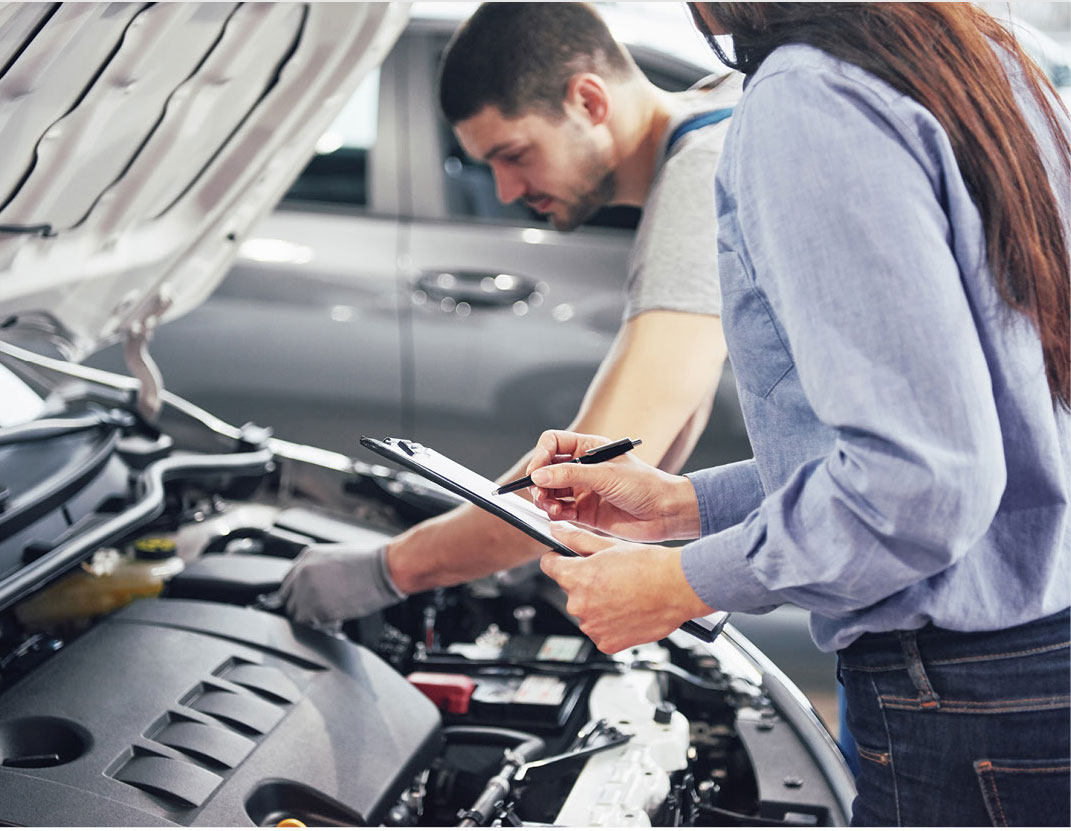
After the assessment, you'll receive an appraisal figure. This isn't a negotiation starting point—it's based on current wholesale market values and the vehicle's actual condition.
Here's where multi-brand matters: If your trade-in value would work perfectly with a Honda but not quite with a Toyota, you can pivot without leaving. Maybe the SUV you wanted is out of reach, but a well-equipped sedan from a different brand fits perfectly. That flexibility doesn't exist at single-brand stores. For a sense of what your vehicle might bring before visiting, you can start the trade-in process online to get preliminary information.
Common Questions Riverside County Buyers Ask
Bring your driver's license, proof of income (recent pay stubs work well), proof of residence like a utility bill, and current insurance information. If you have your trade-in's title and service records, bring those too. Drivers from Temecula and Murrieta often complete their paperwork in one visit simply because they came prepared.
It does. Instead of selling privately—which involves advertising, meeting strangers, and handling DMV paperwork yourself—you roll everything into one transaction. Any equity in your trade-in can reduce the amount you're financing. For busy families across Riverside County, the convenience factor alone makes it worthwhile.
Every situation differs, but most buyers handle both within a few hours if they arrive with documents ready. The trade-in appraisal itself takes about 20-30 minutes. Financing paperwork depends on lender response times and how many questions you have. Rushing serves no one—take the time you need to feel comfortable.
Not required, but helpful. Pre-approval lets you understand your financing situation before you're standing next to a vehicle you love. Some people prefer this approach; others like handling everything in person. Either works.
Absolutely. That's one of the main advantages of a multi-brand auto mall. Your credit application works across the entire inventory. If you test drive a compact car and decide you actually need an SUV, you don't start over. Buyers from Hemet, San Jacinto, and Menifee appreciate not being limited to one manufacturer's lineup.
Your Preparation Checklist Before Visiting
You've read this far because you want to feel ready—not surprised. Here's the short version of everything above.
Before you arrive:
- Know your general budget range (what monthly commitment feels comfortable)
- Browse inventory online to identify 2-3 vehicles worth test driving
- Gather your financing documents (ID, income proof, residence proof, insurance)
- If trading in: clean your vehicle, remove personal items, locate service records
- Consider starting pre-approval online if you want advance information
At the dealership:
- Take your time. There's no pressure to decide anything in one visit.
- Ask questions—about the financing process, the appraisal, the vehicles, anything.
- Test drive more than one option if you're undecided.
- Review all paperwork carefully before signing anything.
Hemet Auto Mall serves drivers across Riverside County who value straightforward information over sales pressure. Whether you're coming from Perris, San Jacinto, or anywhere in between, the goal is simple: help you find a vehicle that fits your life and a financing arrangement that fits your budget.